Rip Tide: A Practical Guide to the Versatile Font Trio
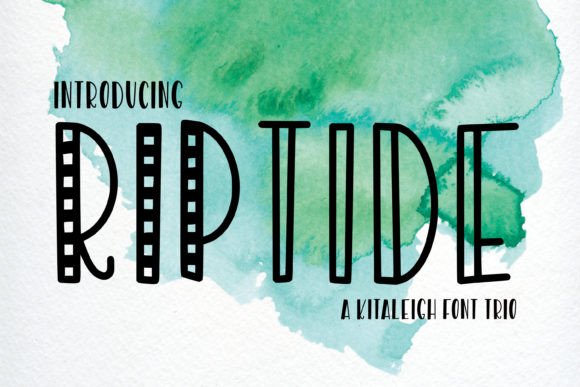
In the crowded landscape of digital typography, finding a typeface that balances personality with professional utility can be a challenge. Designers often face a trade-off between fonts that are visually striking but limited in application, and those that are highly functional yet lack character. Rip Tide emerges as a compelling solution to this common dilemma. It is not merely a single font file but a curated trio of styles—solid, striped, and dotted—designed to offer flexibility without sacrificing cohesion. For creatives working on beach-themed projects, summer branding, or any design requiring a breezy, vibrant aesthetic, this typeface family provides a robust toolkit that extends beyond mere novelty.
Understanding the Design Philosophy
At its core, Rip Tide is built on clean lines and bold shapes. This structural integrity is what allows it to transition smoothly from playful contexts to more serious commercial applications. Many display fonts suffer from poor legibility when scaled down or used in dense layouts. However, the foundational design of Rip Tide prioritizes clarity. The solid variant serves as the anchor, offering high readability for headlines and subheaders. Its weight is substantial enough to command attention without appearing heavy-handed, making it an excellent choice for logos where immediate recognition is key.
The inclusion of striped and dotted variants is where the true value of this font set becomes apparent. Rather than treating these as separate entities, they are designed to work in harmony with the solid style. This consistency in x-height, width, and baseline alignment means designers can mix and match styles within a single composition without worrying about visual dissonance. For instance, a product label might use the solid style for the brand name and the dotted style for a tagline, creating a textured, layered look that feels intentional rather than chaotic.
Practical Applications in Real-World Projects
The versatility of Rip Tide makes it suitable for a wide array of design projects. While its name and aesthetic naturally lend themselves to coastal and summer themes, its utility is not confined to seasonal work. Here are several scenarios where this font trio demonstrates its effectiveness:
- Branding and Logos: Small businesses in the hospitality, tourism, and lifestyle sectors can leverage the bold solid style for primary logo marks. The striped variant adds a dynamic element that can suggest movement or fluidity, ideal for surf shops, cafes, or wellness brands.
- Packaging and Product Labels: The ability to switch between solid, striped, and dotted styles allows for hierarchical information design on packaging. Important details can be highlighted in solid, while secondary information or decorative elements can utilize the patterned variants to create visual interest without cluttering the layout.
- Digital Marketing Assets: For social media graphics, email headers, and web banners, Rip Tide’s clean lines ensure legibility across various screen sizes. The playful nature of the font helps capture attention in fast-scrolling feeds, while its professional structure maintains brand credibility.
- Event Materials: From wedding invitations to festival posters, the font’s breezy touch adds a sense of occasion and fun. The dotted style, in particular, works well for decorative borders or accent text, adding a tactile quality to digital prints.
Evaluating Usability and Technical Performance
For professionals, the technical quality of a font is just as important as its aesthetic appeal. Rip Tide performs reliably in both print and digital environments. The vector paths are clean, ensuring that the font renders sharply at any resolution. This is crucial for large-format printing, such as banners or signage, where pixelation or jagged edges can undermine the professionalism of the final output.
In digital workflows, the font integrates seamlessly with major design software including Adobe Illustrator, Photoshop, and InDesign, as well as web-based tools like Canva. The consistent kerning and spacing across all three styles reduce the need for manual adjustment, saving time during the design process. This efficiency is particularly valuable for freelancers and small business owners who may not have extensive typographic expertise but still require polished results.
However, it is important to note limitations. As a display font, Rip Tide is not intended for long-form body text. Its bold shapes and decorative variants are optimized for short bursts of text, such as headlines, titles, and labels. Using it for paragraphs would compromise readability and strain the viewer’s eyes. Designers should pair it with a neutral sans-serif or serif font for body copy to maintain balance and ensure optimal user experience.
Who Benefits Most from Rip Tide?
This font trio is particularly well-suited for specific audiences within the creative industry. Marketers and social media managers will appreciate its ability to create eye-catching visuals quickly. The pre-designed variety within the family allows for rapid iteration of concepts without needing to source multiple disparate fonts. Small business owners in the retail and food industries can use Rip Tide to establish a friendly, approachable brand identity that stands out on shelves and online.
Freelance graphic designers will find Rip Tide a valuable addition to their asset library. Its flexibility allows it to adapt to diverse client briefs, from playful children’s products to sophisticated adult beverage labels. The cohesive nature of the trio simplifies the design process, enabling creators to focus on layout and composition rather than struggling with mismatched typefaces.
Educators and publishers creating materials for younger audiences may also benefit from the font’s clear, engaging shapes. The dotted and striped styles can make learning materials more inviting and less intimidating, fostering a positive association with reading and engagement.
Long-Term Value and Design Consistency
Investing in a font family like Rip Tide offers long-term value through consistency. Branding relies heavily on repetition and recognition. By having three distinct yet harmonious styles available, designers can maintain a consistent visual language across different mediums and campaigns. This coherence strengthens brand identity over time, making it easier for audiences to recognize and trust the brand.
Moreover, the timeless quality of its clean lines ensures that Rip Tide does not feel overly trendy or dated. While it captures a contemporary vibe, its foundational design principles are rooted in classic typography, suggesting that it will remain relevant and usable for years to come. This durability makes it a cost-effective choice for businesses looking to build lasting visual assets.
Final Recommendations for Implementation
To get the most out of Rip Tide, consider these practical tips. First, use contrast wisely. Pair the solid style with the dotted or striped variants to create hierarchy and visual interest, but avoid using all three styles simultaneously in close proximity, which can appear cluttered. Second, pay attention to color. The font’s bold shapes work well with vibrant, summery palettes, but also hold up against monochrome or muted backgrounds, offering flexibility in color strategy.
Finally, test legibility at various sizes. While the font is designed for clarity, the intricate details of the striped and dotted styles may lose definition at very small scales. Always preview your designs in the actual context they will be viewed, whether on a mobile screen or a printed label, to ensure optimal impact.
In conclusion, Rip Tide is more than just a playful font; it is a versatile design tool that bridges the gap between fun and functionality. Its thoughtful construction, practical usability, and aesthetic flexibility make it a strong candidate for any designer seeking to add a touch of creativity without compromising professionalism. Whether you are crafting a summer campaign or building a brand identity, this font trio provides the resources needed to create compelling, effective visual communications.