Evaluating Baby Hoodie: A Practical Guide to This Playful Outline Font
In the realm of digital typography, selecting the right typeface is often a balancing act between aesthetic appeal and functional readability. For designers working on projects targeting children or families, Baby Hoodie has emerged as a distinct option that bridges the gap between whimsical character and clear communication. As an outline display font, it offers a specific visual language that differs significantly from solid, filled typefaces. Understanding its unique properties, limitations, and ideal use cases is essential for anyone comparing it against other playful fonts available in the current market.
The Distinctive Nature of Baby Hoodie
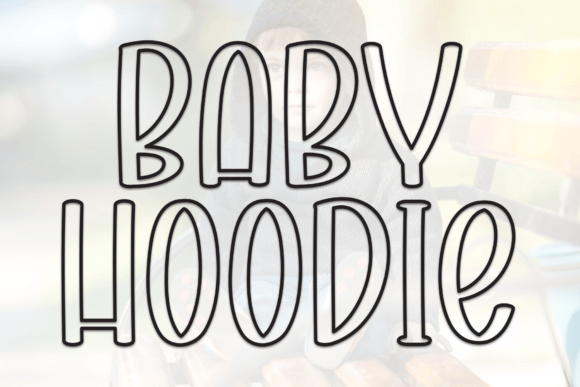
Baby Hoodie is defined by its construction as an outline display font with rounded letterforms. Unlike standard serif or sans-serif fonts where characters are filled with ink, this typeface presents letters as hollow shapes with consistent stroke widths. The defining characteristic of Baby Hoodie is its softness; the curves are exaggerated and smooth, eliminating sharp angles to create a friendly, non-threatening appearance. This design choice is intentional, aiming to evoke a sense of comfort and playfulness that resonates well with young audiences.
The open spaces within the letters are not merely decorative; they serve a functional purpose. In many display fonts intended for children, intricate details can reduce legibility at smaller sizes. However, the generous counters (the enclosed or partially enclosed spaces within characters like 'a', 'e', or 'o') in Baby Hoodie ensure that the text remains readable even when used in bold, colorful compositions. This makes it particularly effective for projects where the text must stand out without becoming visually cluttered.
Visual Impact and Design Flexibility
One of the primary advantages of using an outline font like Baby Hoodie is the flexibility it offers in color application. Because the letters are hollow, designers can fill them with patterns, gradients, photographs, or multiple colors without worrying about the internal structure of the glyphs becoming obscured. This capability transforms the font from a simple text element into a canvas for creativity. For instance, a birthday invitation could feature the name written in Baby Hoodie filled with confetti patterns, while the surrounding text remains in a standard, high-contrast font for readability.
This versatility sets it apart from solid outline fonts that may have thinner strokes or less forgiving geometry. The robustness of the outlines in Baby Hoodie allows for creative fills while maintaining the structural integrity of the word. When evaluating this font, it is important to recognize that its value lies heavily in its ability to be customized, making it a tool for visual storytelling rather than just information delivery.
Comparing Baby Hoodie with Alternative Styles
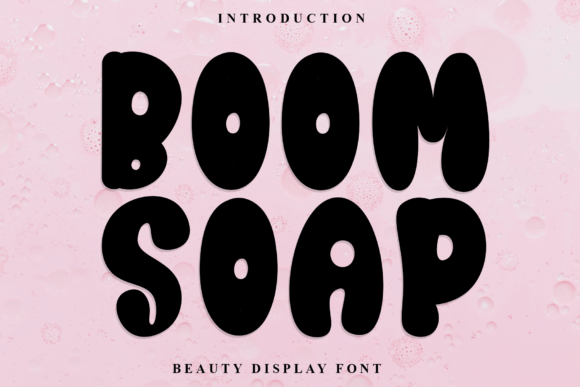
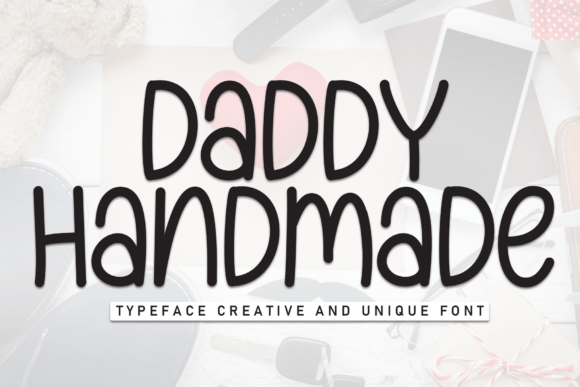
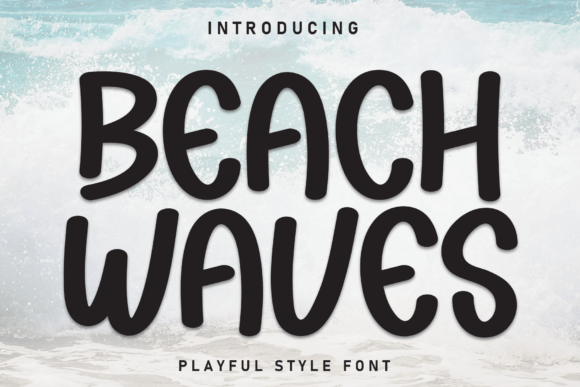
When researching options for kids' designs, invitations, or cheerful branding, Baby Hoodie should be weighed against several categories of typefaces. The most direct comparison is with solid, rounded sans-serif fonts. Fonts in this category offer similar friendliness and softness but lack the customizable interior space. While solid fonts are generally more legible for body text, they cannot replicate the "filled" effect that Baby Hoodie achieves so naturally.
Another category to consider is bubble fonts. These are often characterized by inflated, balloon-like shapes that can appear heavy and dense. Compared to the airy, open feel of Baby Hoodie, bubble fonts can sometimes overwhelm a layout, especially if the project requires a light and breezy atmosphere. Baby Hoodie maintains a lighter visual weight due to its outline nature, allowing it to sit comfortably alongside other graphic elements without dominating the entire composition.
Tradeoffs in Legibility and Context
A critical factor in choosing Baby Hoodie over alternatives is the context of the text. Outline fonts inherently present a challenge regarding contrast. Without a background or a fill, the white-on-white or black-on-black appearance of an outline can be difficult to read. This is a significant tradeoff compared to solid fonts, which provide immediate high contrast. Therefore, Baby Hoodie is rarely the best choice for long paragraphs or informational blocks where reading speed and clarity are paramount.
Designers must also consider the medium. On digital screens, particularly mobile devices with varying pixel densities, thin outlines can sometimes render poorly if not optimized correctly. In print, however, the crisp lines of Baby Hoodie can produce excellent results, provided the paper quality supports fine detail. When comparing it to heavier display fonts, Baby Hoodie excels in creating a delicate, hand-drawn aesthetic that feels personal and approachable, whereas heavier fonts might convey a more commercial or generic vibe.
Decision Factors: When to Choose Baby Hoodie
Determining whether Baby Hoodie is the right resource for a specific project involves analyzing the goals of the design. It is an ideal choice for headlines, logos, and short phrases where visual impact is more important than extended readability. Projects such as baby shower invitations, nursery decor, children's book covers, and party banners benefit immensely from its playful yet structured look.
The font shines when the design requires a "fill-in-the-blank" approach. If a designer intends to integrate textures, illustrations, or vibrant color schemes directly into the letterforms, Baby Hoodie provides the necessary framework. Its rounded edges prevent the harshness that can occur when complex patterns are forced into angular letter shapes. This makes it a superior option for projects aiming to convey warmth, safety, and joy.
Situations Requiring Alternatives
Conversely, there are scenarios where Baby Hoodie may not be the optimal solution. If the project demands high accessibility standards for individuals with visual impairments, the low contrast of an unfilled outline font can be a barrier. In these cases, a solid, high-contrast font with clear serifs or sans-serif structures would be a more responsible choice. Additionally, for formal communications involving children, such as school reports or official announcements, the whimsical nature of Baby Hoodie might undermine the seriousness required.
Furthermore, if the design relies on minimalism with limited color palettes, the outline style might appear unfinished without careful styling. Solid fonts often carry their own visual weight and do not require additional treatment to look complete. Designers working with strict brand guidelines that mandate specific color usage might find the customization requirements of Baby Hoodie to be an unnecessary complication compared to a pre-colored or solid alternative.
Practical Applications and Best Practices
To maximize the effectiveness of Baby Hoodie, it should be paired strategically with other typefaces. A common and successful approach is to use Baby Hoodie for the main title or focal point, while utilizing a clean, simple sans-serif font for supporting text. This combination leverages the playful energy of the headline while ensuring that the practical details remain easy to read. For example, a birthday invitation might feature "Happy 5th Birthday" in Baby Hoodie filled with bright blue, with the date, time, and location listed below in a neutral gray solid font.
Color selection plays a pivotal role in how Baby Hoodie is perceived. Bright, saturated colors enhance its cheerful nature, while pastels can amplify its soft, friendly feel. However, designers should avoid using the font in dark outlines on dark backgrounds, as this creates a visual void that is difficult to process. Instead, placing the font on a contrasting background or filling the letters with a solid color ensures that the message is conveyed clearly.
Ultimately, the decision to use Baby Hoodie depends on the specific narrative the design aims to tell. It is a specialized tool that excels in creating a warm, inviting atmosphere for projects centered around childhood and fun. By understanding its strengths as an outline font and recognizing its limitations regarding legibility and contrast, designers can make informed choices that elevate their work. Whether exploring alternatives or committing to this style, the key lies in aligning the font's inherent characteristics with the functional and emotional needs of the project.