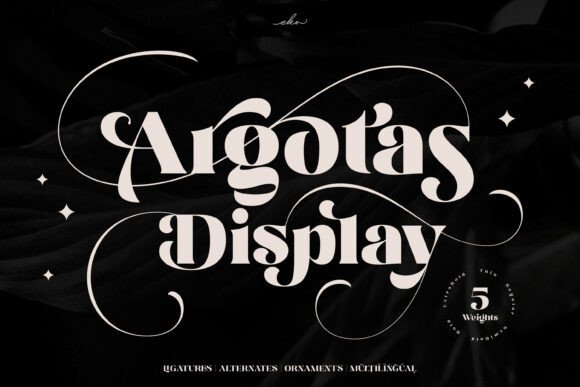
Argotas: A Versatile Display Font for Modern Branding
When you are building a brand identity, the typeface you choose does more than just spell out words. It sets the tone, communicates values, and creates an immediate emotional connection with your audience. This is where Argotas enters the conversation as a compelling choice for designers and creators who need flexibility without sacrificing character. As a unique display font, it bridges the gap between rigid geometric structures and organic, human-centric warmth. Whether you are working on a high-stakes corporate rebrand or a personal passion project, understanding how to leverage the five distinct weights of Argotas can elevate your visual communication significantly.
Understanding the Visual Personality of Argotas
At first glance, Argotas might remind you of classic sans serif font structures, but it possesses a distinct personality that sets it apart from the ubiquitous neo-grotesques found in many default system libraries. The design features clean lines with subtle quirks that prevent it from feeling sterile. The range from Thin to ExtraBold is not just a matter of stroke width; each weight maintains its own integrity and legibility, ensuring that the font remains cohesive whether used for delicate captions or bold headlines.
The inclusion of alternative characters, ligatures, and ornament characters is what truly transforms Argotas from a standard tool into a creative asset. These elements allow you to customize the look of your text, adding a layer of sophistication that is often missing in basic modern typography. For instance, swapping a standard "a" for an alternate glyph can subtly change the rhythm of a word, making it feel more bespoke. This level of detail is crucial when you are aiming for a premium look in logo design or high-end packaging design. It gives you the ability to create a custom logotype without needing to draw every letter from scratch, saving time while maintaining exclusivity.
Strategic Applications Across Design Disciplines
One of the most common mistakes designers make is limiting a creative font to a single use case. Argotas is versatile enough to span multiple disciplines, provided you understand how to adjust its weight and spacing for different mediums. Here is how you can effectively deploy this typeface across various projects:
- Editorial Design and Publishing: In magazine layouts or book covers, the ExtraBold weight commands attention on the cover, while the Light or Regular weights provide excellent readability for pull quotes and subheadings. The ornamental characters can serve as section breaks or decorative initials, adding a touch of elegance to editorial design.
- Brand Identity and Logo Design: Because Argotas includes a wide variety of ligatures, it is ideal for creating memorable wordmarks. You can connect specific letters to create a unique monogram or symbol that becomes synonymous with the brand. This consistency helps in building brand perception and recognition.
- Packaging and Labels: On product packaging, space is often limited, but impact is essential. The condensed nature of some weights allows for longer names to fit comfortably on labels, while the ornament characters can replace bullet points or separate ingredients lists, enhancing the overall aesthetic of the package.
- Digital and Social Media Graphics: In the fast-paced world of social media, clarity is key. The bold weights of Argotas stand out well against busy backgrounds in Instagram stories or Pinterest pins. Its clean lines ensure that text remains legible even on small mobile screens, which is vital for web design and digital advertising.
- Wedding Invitations and Event Stationery: While often associated with script font or handwritten font styles, a well-chosen sans serif like Argotas can offer a modern, minimalist alternative for wedding suites. Using the Thin weight paired with generous letter-spacing creates an airy, sophisticated look that feels contemporary yet timeless.
Enhancing Readability and Visual Hierarchy
A major concern when selecting a premium font is how it affects readability. Argotas strikes a balance between stylistic flair and functional clarity. The open apertures and consistent x-height contribute to easy reading, even at smaller sizes. However, its true strength lies in establishing visual hierarchy. By using the Extreme contrast between the Thin and ExtraBold weights, you can guide the viewer’s eye through your content logically. The heaviest weight draws immediate attention to the primary message, while the lighter weights support secondary information without competing for dominance.
This hierarchy is essential for maintaining professionalism in presentations and advertising materials. When your audience can quickly scan and understand your message, engagement increases. Furthermore, the consistent style across all weights ensures that your design assets look cohesive. Whether you are designing a business card or a large-format banner, the font behaves predictably, reinforcing a sense of reliability and quality.
Practical Guidance for Implementation and Pairing
To get the most out of Argotas, consider these practical steps during your design process. First, always test the font in the actual context of your project. A font that looks great on a desktop monitor may behave differently in print or on a mobile device. Check the kerning pairs, especially if you are using the font for logo design, as tight spacing can sometimes cause letters to collide, while loose spacing can break the visual connection.
When it comes to font pairing, Argotas works well with both serif and sans serif companions. If you want a classic, authoritative look, pair it with a traditional serif font for body text. The contrast between the modern, clean lines of Argotas and the historical roots of a serif creates a dynamic tension that is visually interesting. Alternatively, for a ultra-modern, tech-forward aesthetic, pair it with a neutral, geometric sans serif. Avoid pairing it with another display font that has similar quirky characteristics, as this can create visual clutter and confuse the viewer.
Also, take advantage of the ornament characters sparingly. They are powerful tools, but overuse can diminish their impact. Use them as accents rather than the main event. For example, a single ornamental divider between sections of a menu or a brochure can add a touch of luxury without overwhelming the content.
Finally, always review the licensing terms. As a commercial font, Argotas is designed for professional use, but ensuring you have the correct license for web embedding, app integration, or large-scale merchandise production is crucial for legal compliance and ethical practice. Investing in the right license protects your work and supports the creators who develop these essential design assets.
In conclusion, Argotas offers a robust solution for designers seeking a blend of versatility and character. Its five weights, extensive glyph set, and adaptable style make it a valuable addition to any creative toolkit. By understanding its strengths and applying it thoughtfully, you can create designs that are not only beautiful but also effective in communicating your message.