Winter Rabbit: A Practical Guide to Using Bold, Rounded Display Typography
In the crowded landscape of digital design, selecting a typeface that balances personality with legibility is a constant challenge for creators. Winter Rabbit emerges as a distinct option in the display font category, offering a bold and playful aesthetic characterized by thick, rounded letters. Unlike minimalist sans-serifs that dominate corporate branding, this typeface leans into a cheerful, cozy winter vibe. For professionals ranging from marketers to educators, understanding where and how to deploy such a specific stylistic choice is crucial for maintaining brand integrity while capturing audience attention.
Defining the Aesthetic and Core Characteristics
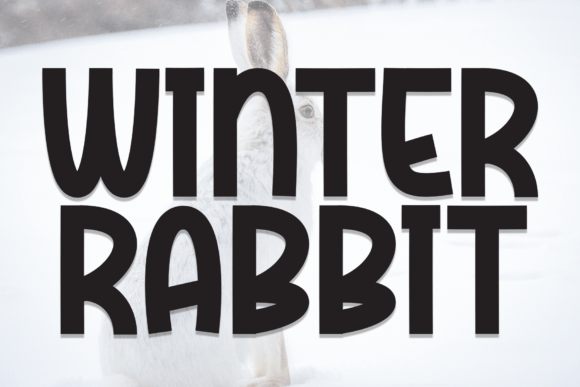
At its core, Winter Rabbit is designed to evoke warmth and approachability. The letterforms are constructed with substantial weight, ensuring they stand out even at smaller sizes or against busy backgrounds. The rounding of the terminals and corners softens the overall appearance, removing the sharp edges often associated with more aggressive or industrial display fonts. This design choice is not merely decorative; it serves a psychological function, signaling friendliness and safety to the viewer.
The "bold" aspect of the font ensures high visibility. In practical terms, this means the typeface performs well in headlines where immediate impact is required. However, the thickness also imposes limitations. It is not suitable for body text or long-form reading, as the heavy strokes can cause letters to merge visually, reducing readability. Therefore, its primary utility lies in short bursts of text: titles, logos, badges, and call-to-action buttons.
Strategic Applications for Professionals and Creators
For marketers and small business owners, the utility of Winter Rabbit extends beyond simple aesthetics. It functions as a tonal anchor for campaigns targeting specific demographics. Consider the following scenarios where this typeface adds tangible value:
- Holiday Marketing Campaigns: During the winter season, brands often seek to humanize their image. Using Winter Rabbit on email headers, social media graphics, or packaging inserts can create an immediate emotional connection with customers looking for festive cheer.
- Educational Materials: Educators and publishers creating content for children will find the rounded, friendly shapes engaging without being distracting. It works effectively for worksheet headers, classroom posters, and storybook titles.
- Event Branding: For community events, winter festivals, or family-oriented workshops, the font provides a clear visual cue about the nature of the gathering—informal, fun, and welcoming.
Freelancers and designers should note that while the font is playful, it maintains a level of structural consistency that prevents it from appearing amateurish. The uniform stroke width contributes to a polished look, which is essential when presenting work to clients who value professionalism alongside creativity.
Evaluating Usability and Technical Performance
When integrating any new asset into a workflow, usability is a primary concern. Winter Rabbit is generally straightforward to implement across various design software, from Adobe Creative Cloud suites to web-based platforms like Canva. Its bold nature means it requires less manipulation to achieve visual weight compared to lighter fonts that may need artificial bolding or shadow effects to stand out.
However, users must be mindful of spacing. Thick, rounded fonts often require adjusted kerning to prevent characters from touching or appearing cramped. In professional practice, it is advisable to increase letter-spacing slightly when using all-caps settings to maintain clarity. This adjustment ensures that the "cozy" feel does not translate into visual clutter.
From a web design perspective, display fonts like Winter Rabbit should be used sparingly. Loading heavy font files can impact page speed, so it is best reserved for key visual elements rather than entire navigation menus. For optimal performance, consider using variable font formats if available, or limiting the character set to only what is necessary for the project.
Target Audience and Ideal Use Cases
Who benefits most from incorporating Winter Rabbit into their toolkit? The answer lies in projects that prioritize emotional engagement over strict formalism.
- Small Business Owners: Boutique shops, bakeries, and craft sellers can use this font to reinforce a handmade, personal brand identity. It contrasts well with clean, modern photography, adding a layer of warmth to product listings.
- Content Creators and Bloggers: Those focusing on lifestyle, parenting, or seasonal content can use Winter Rabbit for featured images and pin graphics. Its eye-catching nature helps improve click-through rates on social platforms where visual distinction is key.
- Print Designers: For greeting cards, invitations, and flyers, the font’s thick lines reproduce well in print, even on textured papers. It holds up against embossing or foil stamping techniques, making it a versatile choice for high-quality physical products.
Conversely, this typeface is less suitable for industries requiring strict authority or neutrality, such as legal services, financial consulting, or medical technology. In these contexts, the playful nature of Winter Rabbit may undermine the perceived seriousness of the brand.
Design Pairings and Visual Harmony
To maximize the effectiveness of Winter Rabbit, it should be paired with complementary typefaces. Since it is a display font with strong personality, it needs a neutral partner for supporting text. A clean, geometric sans-serif works well to balance the rounded curves of Winter Rabbit. Alternatively, a classic serif font can create an interesting contrast between traditional elegance and modern playfulness.
Color selection also plays a critical role. While the font evokes a winter theme, it is not limited to cold blues and whites. Deep reds, forest greens, and warm golds can enhance its festive appeal. For non-seasonal uses, pastel tones or muted earth colors can soften the boldness, making it appropriate for spring or autumn projects as well. The key is to ensure sufficient contrast between the text and the background to maintain legibility.
Limitations and Professional Considerations
No design tool is without limitations, and acknowledging them is part of professional due diligence. Winter Rabbit’s primary constraint is its specificity. It is a niche font designed for a particular mood. Overuse can lead to visual fatigue, and applying it to inappropriate contexts can dilute its impact. Designers must exercise restraint, using it only where its playful character aligns with the message.
Additionally, accessibility must be considered. The thick, rounded forms may pose challenges for users with certain visual impairments if not sized appropriately or if contrast ratios are insufficient. Always test designs with accessibility checkers to ensure compliance with standards such as WCAG. This step is particularly important for educators and public-facing businesses committed to inclusive design.
Long-Term Value in a Design Toolkit
Investing in a diverse typography library is essential for any serious creator. Winter Rabbit offers long-term value not because it is universally applicable, but because it fills a specific gap in the market for high-quality, cheerful display fonts. Its versatility within the holiday and family-oriented niches ensures it will have recurring utility throughout the year.
For professionals building a brand identity, having access to such specialized tools allows for greater flexibility in campaign planning. Instead of relying on generic system fonts or overused free alternatives, Winter Rabbit provides a unique voice that can help differentiate a project in a saturated market. Its consistent quality and reliable performance make it a dependable asset for both digital and print mediums.
In conclusion, Winter Rabbit is a purposeful design choice for those seeking to inject warmth and personality into their visual communications. By understanding its strengths, respecting its limitations, and applying it strategically, professionals can leverage this font to create engaging, memorable, and effective designs. Whether for a holiday card or a children’s book cover, it delivers on its promise of a fun, cozy, and bold aesthetic.