Oseberg: A Gothic-Inspired Font for Historical and Fantasy Brands
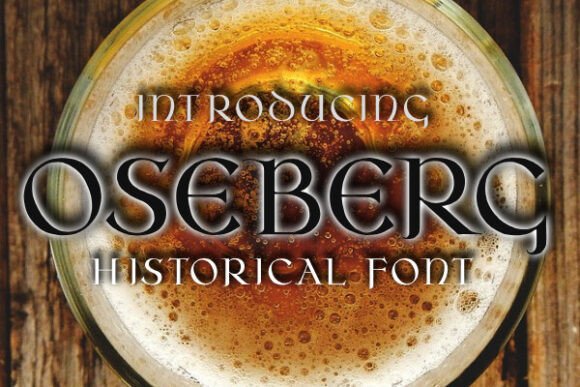
In the competitive landscape of digital design and branding, typography often serves as the silent ambassador of a brand's identity. For businesses rooted in history, mythology, or fantasy, finding a typeface that balances aesthetic authenticity with modern readability is a significant challenge. This is where Oseberg emerges as a powerful solution. Oseberg is a stylish, gothic-inspired font that embodies the essence of historical and medieval aesthetics without sacrificing clarity. By drawing its influence from ancient Nordic and Viking-era inscriptions, it offers a bold and distinguished appearance that instantly communicates depth, heritage, and mystery to your audience.
The Challenge of Authentic Medieval Branding
Many business owners operating in niche sectors like escape rooms, themed restaurants, or artisan crafts face a specific dilemma: how to convey a sense of antiquity without resorting to clichés. The market is saturated with generic "fantasy" fonts that often look cartoonish, illegible, or overly decorative. When a customer encounters such typography, it can break immersion and undermine the perceived quality of the product or experience. The goal is not just to look old; it is to feel authentic.
Designers and marketers often struggle with the tension between style and function. A font that looks too much like a runestone carving might be visually striking but impossible to read on a menu or a website button. Conversely, a clean sans-serif font might be readable but fails to evoke the necessary atmosphere. The need is for a typeface that bridges this gap, offering the visual weight of history while maintaining the legibility required for practical communication. This is the primary situation where Oseberg provides a strategic advantage.
Why Oseberg Stands Out
Oseberg addresses these challenges by grounding its design in genuine historical references rather than arbitrary decoration. Inspired by the intricate carvings found on Viking ships and stone monuments, the font captures the rugged elegance of the North. Its strokes are thick and deliberate, mimicking the chisel marks of ancient artisans, yet they are refined enough for screen and print. Unlike many gothic fonts that rely on excessive flourishes, Oseberg focuses on strong structural integrity. This makes it an ideal choice for brands that want to project authority, tradition, and craftsmanship.
The font's versatility allows it to function effectively in various contexts. It is not merely a display typeface reserved for headlines; its character spacing and stroke weight allow it to be used for subheadings and short body text where appropriate. This flexibility ensures that your brand maintains a consistent visual language across all touchpoints, from social media graphics to physical packaging.
Practical Applications for History and Fantasy Businesses
Understanding the theoretical benefits of a font is one thing, but seeing how it translates into real-world success is another. Oseberg is particularly well-suited for industries where storytelling and atmosphere are the core products. Here is how different types of users can leverage this typeface to achieve their specific goals.
Escape Rooms and Immersive Experiences
For escape room operators, every detail contributes to the narrative. The signage, clues, and entrance banners must transport players back in time immediately upon entry. Using Oseberg for room titles, puzzle instructions, and promotional materials creates an immediate sense of place. Imagine a Viking-themed escape room where the door plaque is etched with the Oseberg font; the visual cue primes the player's mind for adventure before they even step inside. The bold nature of the font ensures that critical instructions remain legible even in dimly lit environments, solving the common problem of atmospheric lighting clashing with readability.
Themed Restaurants and Hospitality
Restaurants with a medieval or Nordic theme often struggle with menu design. They need a layout that feels rustic and hearty but is easy for customers to read while dining. Oseberg excels here by providing a distinct header style that sets the mood, while its clear letterforms prevent confusion when reading dish names. Pairing the font with textured paper or dark wood backgrounds enhances the tactile experience. Furthermore, using Oseberg on coasters, napkins, and table tents reinforces the brand identity, making the dining experience memorable and shareable on social media.
Artisan Products and Craftsmanship
Artisans selling handcrafted goods—such as leatherwork, forged steel, or mead—rely heavily on the perception of quality and tradition. Packaging and labels are critical marketing tools. A standard commercial font can make a handmade axe or a bottle of craft beer look mass-produced. By applying Oseberg to labels, hang tags, and website headers, creators signal that their work is rooted in tradition. The font suggests that the product has been made with care, echoing the meticulous craftsmanship of the Viking era. This subtle psychological cue can justify premium pricing and build a loyal customer base that values authenticity.
Strategic Implementation and Design Considerations
To maximize the impact of Oseberg, it is essential to approach its implementation with intentionality. While the font is versatile, it carries a heavy visual weight that should be respected. One effective strategy is to use Oseberg for headlines and key phrases while pairing it with a neutral, highly legible sans-serif or serif font for longer paragraphs. This contrast ensures that the gothic aesthetic does not overwhelm the reader, allowing the content to breathe while still maintaining the thematic connection.
Color palette selection also plays a crucial role. Oseberg pairs beautifully with earth tones, deep reds, charcoal grays, and metallic accents like gold or silver. Avoiding neon or overly bright colors helps maintain the historical gravitas of the design. Additionally, consider the texture of the background. Since the font mimics carved stone or wood, placing it over smooth, flat digital gradients may lose some of its intended effect. Textured backgrounds that mimic parchment, slate, or rough-hewn timber can enhance the three-dimensional quality of the letters.
Tailoring the Approach for Different Audiences
Different users will approach Oseberg based on their specific target demographic. A high-end boutique selling luxury replica armor might use the font sparingly, relying on negative space and elegant layouts to convey exclusivity. In contrast, a family-friendly fantasy adventure park might use the font more boldly and playfully, perhaps incorporating it into logos and large-scale environmental graphics. Understanding your audience's expectations is key. If your audience is looking for a serious historical education, a restrained use of Oseberg conveys respect for the subject matter. If they are seeking entertainment and escapism, the font can be used more dynamically to create excitement.
Ultimately, the decision to use Oseberg is about more than just aesthetics; it is about aligning your visual identity with your brand story. Whether you are designing a website, creating packaging, or building a physical environment, this font offers a unique opportunity to connect with an audience that values history and imagination. By choosing a typeface that respects its roots while embracing modern usability, you ensure that your message is not only seen but felt.
As you move forward with your branding projects, consider how Oseberg can solve the specific visual problems you face. From enhancing the atmosphere of an escape room to elevating the presentation of artisan goods, this font provides a robust tool for creating immersive, authentic experiences. By integrating Oseberg thoughtfully into your design strategy, you can distinguish your brand in a crowded market and forge a deeper connection with those who appreciate the timeless allure of the past.