Moliga: A Bold Display Typeface with Mid-Century Soul
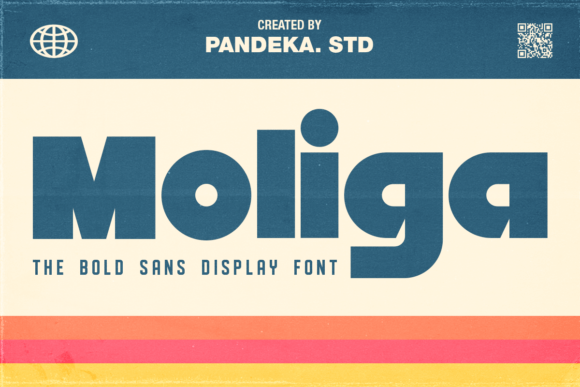
In the crowded landscape of digital design, where attention spans are shrinking and visual noise is at an all-time high, a typeface needs more than just legibility; it needs character. Moliga enters this space not as a whisper, but as a statement. It is a sans-serif typeface defined by a heavy touch and a distinct mid-century feeling that resonates with both nostalgia and modern minimalism. For designers, marketers, and creative directors seeking to cut through the clutter, Moliga offers a unique structural approach: a massive x-height paired with intentionally small ascenders. This specific geometric balance creates a font with a big fat personality, one that commands presence without sacrificing readability.
The relevance of Moliga extends far beyond its aesthetic appeal. It speaks to a broader shift in how brands communicate authority and warmth simultaneously. In an era dominated by sleek, ultra-thin geometrics or rigid corporate standards, there is a growing hunger for typography that feels human, tactile, and grounded. Moliga answers this call by blending the robustness of vintage signage with the clean lines required for contemporary screens. Whether used for branding, titling, or headlines, this typeface adds a bold and iconic style to artwork, ensuring that artistic creations come alive with style and weight.
The Anatomy of Impact: Understanding Moliga's Structure
To truly appreciate why Moliga stands out, one must look closely at its construction. The defining characteristic of this display typeface is its manipulation of vertical proportions. Most sans-serif fonts strive for a balanced relationship between the x-height (the height of lowercase letters like 'x' or 'a') and the ascenders (the parts of letters like 'b', 'd', or 'h' that rise above the baseline). Moliga disrupts this convention by exaggerating the x-height while keeping the ascenders relatively short.
This structural choice has profound implications for how text is perceived. A large x-height increases the overall density and visual weight of the type, making words appear larger and more substantial even at smaller point sizes. When combined with small ascenders, the result is a compact, block-like form that feels incredibly stable. This "heavy touch" gives the font a sense of permanence and reliability. It is a design decision that prioritizes impact over elegance, making it an ideal candidate for headlines that need to stop a user in their tracks.
Furthermore, the mid-century influence in Moliga is not merely a stylistic veneer; it is embedded in the curves and terminals of the characters. The era of the 1950s and 60s was known for optimism, innovation, and a love for bold, graphic forms. By channeling this spirit, Moliga evokes a sense of retro charm while maintaining the sharpness necessary for modern applications. It bridges the gap between the analog past and the digital present, offering a familiar yet fresh visual language.
Why the Heavy Touch Matters in Modern Design
The trend toward heavier, bolder typography is not accidental. As screens have become the primary medium for content consumption, designers have had to adapt to varying resolutions, lighting conditions, and viewing distances. Thin strokes often vanish on mobile devices or under bright sunlight, leading to poor user experiences. Moliga’s heavy stroke weight ensures that every letterform remains crisp and clear, regardless of the device or environment.
Beyond technical necessity, the psychological impact of heavy type cannot be overstated. In marketing and branding, weight equates to confidence. A headline set in Moliga suggests certainty and strength. It tells the audience, "This matters." For businesses looking to establish trust quickly, particularly in competitive sectors like finance, technology, or lifestyle, this visual assurance is invaluable. It allows a brand to project stability without needing excessive copy to explain its value proposition.
Integrating Retro Aesthetics into Contemporary Workflows
The resurgence of mid-century aesthetics in design is a significant cultural phenomenon. We see it in interior design, fashion, and now, prominently, in digital typography. However, simply copying old styles can often feel kitschy or disconnected from current realities. The challenge for modern creators is to integrate these nostalgic elements in a way that feels authentic and relevant. Moliga solves this problem by offering a font that is rooted in history but optimized for today's workflows.
Unlike many retro-inspired fonts that suffer from limited character sets or poor kerning, Moliga is built for versatility. It supports the rigorous demands of modern design software and web rendering engines. This means that professionals can use it across a wide range of projects—from social media graphics and video titles to print advertisements and packaging—without compromising on quality. The seamless integration of this vintage feel into modern tools allows creatives to experiment with hybrid styles, mixing the warmth of the past with the precision of the present.
For entrepreneurs and freelancers, this adaptability is crucial. The ability to pivot a design from a minimalist website header to a bold poster campaign using a single typeface streamlines the creative process. It reduces the cognitive load of managing multiple font families and ensures a cohesive visual identity across all touchpoints. Moliga becomes a reliable anchor in a brand's visual system, providing consistency while allowing for dynamic expression.
Practical Applications for Brands and Creators
The utility of Moliga shines brightest when applied to specific use cases where impact is paramount. Here are some practical ways professionals are leveraging this typeface:
- Brand Identity and Logos: Startups and established companies alike are using Moliga to create logos that stand out. Its unique proportions make it instantly recognizable, helping brands carve out a distinct space in saturated markets. The heavy weight ensures the logo remains legible on business cards, app icons, and billboards alike.
- Editorial Headlines: In publishing, whether digital or print, headlines need to grab attention immediately. Moliga’s large x-height makes it perfect for magazine covers, blog post titles, and newsletter headers. It draws the eye and encourages the reader to dive into the content.
- Event Promotion: For event planners and marketers, posters and flyers need to convey urgency and excitement. The bold nature of Moliga makes it an excellent choice for announcing dates, venues, and key speakers. It cuts through visual clutter and delivers the message with authority.
- Product Packaging: In retail, packaging is the first point of contact with a consumer. Using Moliga on product labels can signal quality and craftsmanship. The mid-century vibe appeals to consumers who value heritage and authenticity, making it a strong choice for artisanal goods, beverages, and lifestyle products.
The Evolution of User Expectations and Visual Trends
User expectations regarding design have evolved significantly over the last decade. Audiences are no longer satisfied with generic, safe choices. They crave personality and storytelling in the visuals they encounter daily. This shift has driven the popularity of display typefaces like Moliga, which offer a narrative element before a single word is read. The "big fat personality" of the font acts as a non-verbal communicator, setting the tone for the entire piece.
Moreover, the line between retro and modern is blurring. What was once considered "old-fashioned" is now seen as timeless and sophisticated. Consumers aged 20 to 50, a demographic that spans Gen Z to Millennials and Gen X, have grown up with access to diverse cultural eras. They appreciate the irony and warmth of mid-century design but demand the functionality of modern interfaces. Moliga sits perfectly at this intersection, satisfying the desire for nostalgia while meeting the need for clarity and efficiency.
Technology also plays a role in this evolution. Variable fonts and advanced web technologies allow for greater customization and performance. While Moliga is a static display typeface, its design principles align well with these technological advancements. Its strong structure holds up well in variable contexts, ensuring that the intended impact is preserved whether the font is scaled up for a hero banner or down for a caption.
Recommendations for Effective Implementation
To get the most out of Moliga, creators should consider a few key strategies. First, leverage whitespace. Because the font is so heavy and dense, giving it room to breathe enhances its impact. Crowding the letters can lead to visual fatigue, whereas generous spacing emphasizes the unique shapes of the characters.
Second, pair Moliga with a neutral, highly readable sans-serif or serif for body text. Since Moliga is designed for headlines and titling, it should not be used for long paragraphs. A clean, lightweight companion font will provide the necessary contrast, allowing Moliga to shine as the focal point while ensuring the rest of the content remains accessible.
Finally, do not be afraid to experiment with color and texture. The mid-century roots of Moliga invite rich, warm palettes or high-contrast combinations. Using gradients, shadows, or even subtle textures can further enhance the retro-modern aesthetic, creating a layered experience that engages the viewer on multiple levels.
In conclusion, Moliga represents more than just a new addition to a designer's toolkit. It is a response to the changing tides of visual culture, offering a solution that is both historically grounded and forward-looking. With its heavy touch, distinctive proportions, and iconic style, it empowers creators to bring their artistic visions to life with confidence and flair. Whether you are building a brand, launching a campaign, or simply looking to elevate your design work, Moliga provides the weight and personality needed to make a lasting impression.