Grand Slam: The Visual Impact of Baseball-Inspired Typography in Modern Design
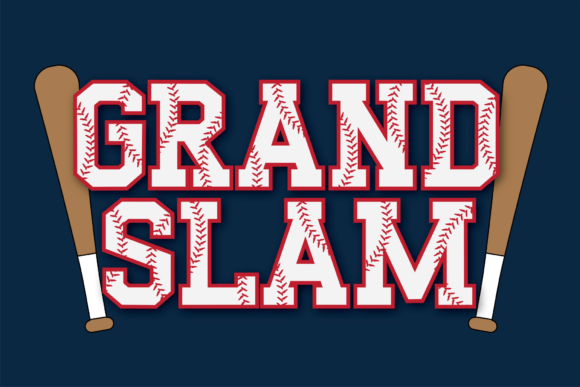
In the competitive landscape of visual communication, typography serves as more than just a vessel for text; it is the emotional anchor of a brand’s identity. Among the myriad of typefaces available to designers today, few manage to capture the visceral energy of sport quite like Grand Slam. This distinctive font family bridges the gap between traditional serif elegance and the rugged, high-energy aesthetic of America’s pastime. By integrating subtle yet unmistakable baseball stitch details into its structure, this typeface offers a unique solution for projects requiring both authority and dynamism.
The rise of niche, thematic typography reflects a broader trend in design where specificity drives engagement. General-purpose fonts often fail to convey the nuanced atmosphere of sports marketing, team branding, or event promotion. Here, the Grand Slam typeface emerges not merely as a stylistic choice but as a strategic tool. Its bold serifs command attention, while the stitched detailing provides an immediate contextual cue that resonates with audiences on a subconscious level. For professionals ranging from graphic designers to small business owners, understanding how to leverage such specialized tools can significantly enhance the effectiveness of their visual narratives.
The Anatomy of Athletic Aesthetics
To appreciate the utility of this typeface, one must first dissect its design philosophy. Unlike standard sans-serif fonts that prioritize minimalism, or traditional serifs that lean towards formality, this font occupies a hybrid space. It retains the structural integrity of a classic serif, ensuring readability across various sizes, but injects personality through its decorative elements. The "stitch" details are not mere overlays; they are integrated into the letterforms themselves, creating a cohesive visual texture that mimics the leather and thread of a baseball.
This integration is crucial for maintaining professional standards. Poorly executed thematic fonts often suffer from cluttered lines or reduced legibility, especially at smaller scales. However, the design behind Grand Slam prioritizes balance. The bold weight ensures that headlines stand out against busy backgrounds, a common requirement in sports arenas and digital banners. The spacing, or kerning, is optimized to prevent the stitch details from merging, preserving the clarity of each character. This attention to technical detail makes it suitable for both print media, such as posters and merchandise, and digital platforms, including social media graphics and website headers.
Beyond the Diamond: Versatility in Application
While the association with baseball is immediate, the application of this font extends far beyond the confines of the stadium. The aesthetic of "sporty sophistication" has permeated various industries, from fashion to food and beverage. Brands seeking to evoke feelings of teamwork, heritage, strength, and classic American values find a powerful ally in this typeface. For instance, a craft brewery launching a new ale might use Grand Slam to suggest a robust, traditional brewing process with a modern twist. Similarly, a fitness apparel company could utilize it to highlight durability and performance without resorting to aggressive, overly masculine tropes.
Educators and community organizers also benefit from this versatile design. When promoting school sports days, charity runs, or local tournaments, the font instantly communicates the nature of the event. It eliminates the need for excessive imagery, allowing the text itself to carry the thematic weight. This efficiency is invaluable in fast-paced marketing environments where quick comprehension is key. The font’s ability to convey excitement and tradition simultaneously makes it a favorite for events that aim to build community spirit while maintaining a professional appearance.
Strategic Implementation for Maximum Visibility
Implementing a distinctive typeface like Grand Slam requires a thoughtful approach to hierarchy and contrast. Because the font is inherently bold and detailed, it performs best as a display typeface. Using it for long paragraphs of body text can lead to visual fatigue for the reader. Instead, designers should reserve it for headlines, subheaders, and call-to-action buttons. Pairing it with a clean, neutral sans-serif font for body copy creates a harmonious balance. The contrast between the ornate, sporty headers and the minimalist body text guides the viewer’s eye naturally through the content.
Color theory plays a pivotal role in maximizing the impact of this font. The stitch details, being integral to the design, respond well to high-contrast color combinations. Classic pairings such as navy blue and white, or red and cream, evoke traditional sports uniforms and enhance the nostalgic feel. However, modern interpretations can experiment with vibrant neon accents against dark backgrounds to create a contemporary, electric atmosphere. The key is to ensure that the stitch details remain visible and do not get lost in low-contrast scenarios. Testing the font across different backgrounds is essential to maintain its striking lettering and high impact.
- Hierarchy: Use for H1 and H2 tags to establish strong visual anchors.
- Contrast: Pair with simple sans-serifs to avoid visual clutter.
- Color: Ensure high contrast to highlight the stitch details effectively.
- Scale: Best utilized at larger sizes where intricate details are discernible.
Enhancing Brand Identity Through Typographic Consistency
For businesses and creators, consistency is the cornerstone of brand recognition. Adopting a unique typeface like Grand Slam can become a signature element of a brand’s visual identity. When used consistently across all touchpoints—from business cards and packaging to websites and social media profiles—it reinforces brand recall. Consumers begin to associate the specific look of the stitched letters with the quality and values of the brand. This psychological association is powerful, turning a simple design choice into a valuable asset.
Moreover, the font’s inherent sense of movement and energy can influence consumer perception. Studies in consumer psychology suggest that dynamic typography can increase perceived excitement and urgency. For limited-time offers, seasonal sales, or event registrations, using Grand Slam can subtly encourage quicker decision-making. The boldness of the letters conveys confidence, while the sporty aesthetic suggests action. This combination is particularly effective in competitive markets where capturing attention quickly is paramount.
Navigating Design Trends and Longevity
Design trends are cyclical, but certain aesthetics possess enduring appeal. The fusion of classic serif structures with thematic embellishments represents a timeless approach rather than a fleeting fad. While ultra-minimalist designs have dominated the tech sector for years, there is a growing counter-movement towards maximalism and character-driven design. Consumers are increasingly drawn to brands that exhibit personality and authenticity. In this context, the Grand Slam font aligns perfectly with the demand for genuine, expressive visual communication.
However, designers must remain mindful of overuse. Because the font is so distinctive, it can become overwhelming if applied indiscriminately. The principle of "less is more" applies here; allowing the font to breathe within the layout ensures it retains its impact. White space is not empty space; it is an active design element that frames the typography, enhancing its prominence. By strategically placing the font within a clean layout, designers can create a sophisticated look that appeals to a broad audience, including those who may not be avid sports fans but appreciate good design.
- Identify the core message of the project to determine if a sporty aesthetic is appropriate.
- Select complementary colors that enhance the visibility of the stitch details.
- Pair with a neutral body font to maintain readability and balance.
- Test the design across various mediums to ensure consistent impact.
- Use sparingly to preserve the font’s novelty and visual power.
In conclusion, the introduction of the Grand Slam font marks a significant addition to the toolkit of modern designers. Its ability to merge the authority of serif typography with the energetic flair of baseball aesthetics offers a unique value proposition. Whether used for professional sports branding, community events, or commercial products seeking a touch of classic Americana, this typeface delivers high impact and visibility. By understanding its characteristics and applying it with strategic intent, creators can elevate their projects, ensuring they resonate deeply with their intended audiences. The result is not just text, but a visual experience that captures the spirit of competition, tradition, and excellence.