Wedding Organizer: A Bold Display Font for High-Impact Visuals
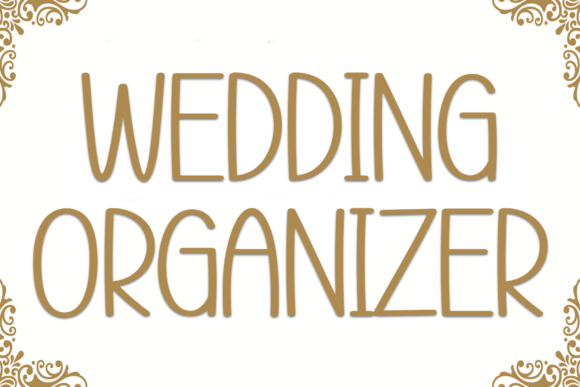
In the realm of digital design, the right typeface can dictate the tone of an entire project. Wedding Organizer is a playful display font that looks like it was drawn with a bold marker. It has a casual, sporty vibe, perfect for making your text stand out with a fun, energetic feel. While the name might suggest a specific niche application for nuptial planning materials, the versatility of this hand-drawn aesthetic extends far beyond invitations. For professionals, creators, and small business owners, understanding how to integrate a personality-driven font like Wedding Organizer into a broader workflow is essential for maintaining brand consistency while injecting creativity.
This article explores the practical implementation of Wedding Organizer within various design processes. We will examine its role in pre-production planning, its interaction with other typographic assets, and strategies for ensuring it enhances rather than distracts from your message. By treating this font as a functional tool within a larger ecosystem, you can leverage its unique characteristics to drive engagement and clarity in your visual communications.
Defining the Role of Wedding Organizer in Design Workflows
Before integrating any asset into a project, it is crucial to define its function. Wedding Organizer is not a body font; it lacks the structural uniformity required for long-form reading. Instead, it serves as a high-impact display element. In a typical design workflow, this font occupies the "attention" layer. Its primary job is to stop the scroll, grab the eye, and communicate a specific emotional state—usually excitement, informality, or approachability.
When you are mapping out a creative process, consider where the "hook" needs to happen. Is it on the landing page header? The cover of a digital brochure? The headline of a social media graphic? This is where Wedding Organizer fits. It acts as the visual anchor that sets the stage for more legible, secondary typefaces. Understanding this distinction prevents common pitfalls, such as using the font for paragraphs of text, which would compromise readability and dilute the impact of the design.
The Pre-Production Phase: Selection and Strategy
The integration of Wedding Organizer begins long before the first pixel is placed. During the strategy phase, designers and marketers must evaluate whether the font's "bold marker" aesthetic aligns with the project goals. If the objective is to convey corporate seriousness or legal authority, this font may be counterproductive. However, if the goal is to humanize a brand, celebrate a milestone, or create a sense of community, Wedding Organizer becomes a strategic asset.
During this preparation stage, compatibility checks are vital. You need to assess how the font interacts with your existing color palette and imagery. Because the strokes mimic a physical marker, they often pair well with organic textures, watercolor backgrounds, or high-contrast photography. Planning these interactions early ensures that the final output feels cohesive rather than disjointed. Furthermore, consider the technical constraints of your platforms. Will the font render correctly on mobile devices? Does it require webfont conversion for online use? Addressing these logistical details during the pre-production phase saves significant time during execution.
Implementation Strategies Across Different Projects
The true value of Wedding Organizer lies in its adaptability across various sectors. Whether you are a freelancer pitching a proposal, an educator creating course materials, or an entrepreneur launching a product, the font can be tailored to fit specific contexts.
Marketing and Brand Identity
For marketers and small business owners, the challenge is often breaking through the noise of polished, generic designs. Wedding Organizer offers a distinct alternative. Use it for campaign headlines that promise something new or exciting. For example, a pop-up shop announcement or a limited-time offer benefits from the font's urgent, hand-written energy. When used in conjunction with clean sans-serif fonts for body copy, it creates a dynamic hierarchy that guides the user's eye naturally from the hook to the details.
Consistency is key here. If you choose Wedding Organizer for your social media headers, ensure it appears regularly enough to become part of your brand's visual language, but sparingly enough to retain its novelty. Overuse can lead to visual fatigue, diminishing the font's ability to capture attention.
Creative Content and Publishing
Bloggers, publishers, and content creators often struggle with making their titles pop without resorting to clichés. Wedding Organizer provides a solution that feels personal and authentic. Imagine a blog post about travel adventures or a newsletter celebrating reader milestones; the font's casual vibe reinforces the narrative of personal experience. In e-book covers or magazine layouts, it can serve as the title treatment, suggesting a story that is accessible and engaging.
When working on print projects, consider the physical medium. The marker-like quality of the font translates exceptionally well to textured paper or cardstock, enhancing the tactile feel of the piece. This observation is particularly relevant for hobbyists and artists who value the intersection of digital precision and analog warmth.
Interaction with Other Tools and Assets
No font exists in a vacuum. To maximize the effectiveness of Wedding Organizer, you must understand how it interacts with other elements in your toolkit. Typography is a relational art; the success of one font often depends on the support of another.
- Pairing with Sans-Serif Fonts: The irregular strokes of Wedding Organizer contrast beautifully with geometric or humanist sans-serifs. This combination balances the playful nature of the display font with the stability and readability of a neutral companion.
- Color Contrast: Since the font mimics ink, it works best with solid, vibrant colors. Avoid low-contrast combinations that might make the thick strokes appear muddy. High-contrast pairings, such as black on white or neon on dark, amplify the energetic feel.
- Graphic Elements: Integrate the font with shapes that echo its hand-drawn origins. Rounded corners, splashes, or sketch-style icons complement the font better than rigid, grid-based vector art.
Furthermore, consider the software environment. Most modern design tools allow for variable weight adjustments, though Wedding Organizer is typically a fixed-width display. Ensure your design platform supports the file format (OTF, TTF, or WOFF) to avoid rendering issues. If you are collaborating with a team, establish clear guidelines on kerning and spacing. Hand-drawn fonts often have inconsistent letter widths, so manual adjustments may be necessary to maintain optical balance, especially in short phrases.
Quality Control and Long-Term Usability
As you move from concept to execution, quality control becomes paramount. The playful nature of Wedding Organizer can sometimes mask alignment errors or spacing inconsistencies. During the review phase, zoom out to view the design at 50% or 25% scale. This helps identify if the font is overpowering the layout or if the text is difficult to read from a distance.
Long-term usability also involves future-proofing your assets. As trends shift, a font that feels fresh today might feel dated in a few years. However, the hand-drawn aesthetic has remained a staple in design because it conveys authenticity—a timeless human trait. To ensure longevity, use Wedding Organizer as an accent rather than the sole identity of your brand. This allows you to refresh other elements of your visual system without losing the core personality established by the font.
Efficiency in workflow is another consideration. Having a library of pre-styled text layers using Wedding Organizer can speed up production for recurring tasks like social media posts or event flyers. By standardizing the size, color, and placement of this font within your templates, you reduce decision fatigue and maintain a consistent output quality.
Integrating Wedding Organizer into Your Routine
Successfully incorporating Wedding Organizer into your work requires a shift in mindset. It is not just a decorative choice; it is a communication tool. Start by auditing your current projects. Identify areas where the tone feels too stiff or where the hierarchy is unclear. Experiment with swapping your current headline font for Wedding Organizer to see how it alters the perception of the content.
For teams, create a style guide that explicitly defines when and how to use the font. Include examples of good pairings, acceptable sizes, and scenarios where the font should be avoided. This documentation ensures that everyone involved in the project—from the copywriter to the developer—is aligned on the visual strategy.
Ultimately, the goal is to create work that resonates. Wedding Organizer offers a unique opportunity to inject energy and personality into your designs. By approaching its use with intention, planning, and an understanding of its limitations, you can transform simple text into a compelling visual statement. Whether you are organizing a wedding, launching a startup, or simply sharing a story, this bold, marker-style font can help your message stand out in a crowded digital landscape.