Qusnaidy: A Strategic Approach to Handwritten Typography
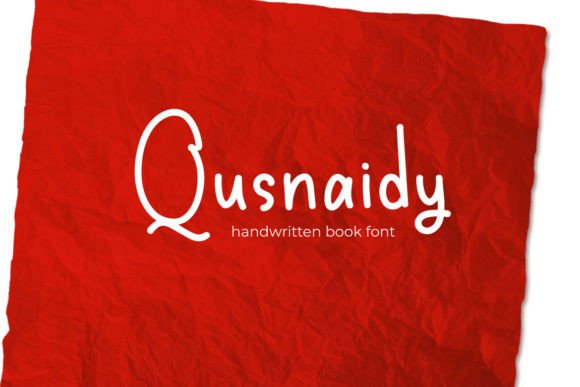
In the crowded landscape of digital design, the choice of typography is rarely just an aesthetic decision; it is a strategic communication tool. Qusnaidy, a handwritten book font characterized by smooth lines and graceful curves, offers more than visual appeal. It provides a mechanism for designers, entrepreneurs, and content creators to inject authenticity into their brand narratives. When used with intention, this font can bridge the gap between corporate polish and human connection, transforming standard layouts into experiences that feel personal and warm.
However, the power of a script font like Qusnaidy lies in its restraint. Without a clear understanding of its role within a broader design system, even the most elegant typeface can undermine readability or dilute brand authority. This analysis explores how to leverage Qusnaidy effectively, focusing on practical application, strategic positioning, and the long-term value of thoughtful typographic choices.
The Strategic Value of Authenticity in Design
Modern audiences are increasingly skeptical of mass-produced, impersonal content. They seek brands and creators that demonstrate humanity and care. This is where Qusnaidy becomes a tactical asset. Its carefully crafted characters mimic the natural flow of handwriting, evoking a sense of intimacy that sans-serif or slab-serif fonts often cannot achieve. For small business owners and freelancers, this perceived authenticity can be a significant differentiator in competitive markets.
When a wedding invitation, a greeting card, or a social media post utilizes Qusnaidy, it signals effort and personalization. The font does not merely display text; it conveys tone. In branding, this translates to a softer, more approachable voice. For educators and publishers, it suggests a narrative quality, inviting the reader to engage with the content as if it were a letter from a friend rather than a broadcast from a corporation. The strategic utility here is clear: Qusnaidy facilitates emotional resonance, which is often the precursor to customer loyalty and engagement.
Defining the Scope: When to Deploy Qusnaidy
Despite its versatility, Qusnaidy is not a universal solution. Effective design requires matching the tool to the specific goal. To maximize impact, one must evaluate the context before applying the font. Below are key scenarios where Qusnaidy delivers the highest return on investment:
- Invitations and Personal Correspondence: The primary use case for Qusnaidy remains in high-touch communications. Wedding invitations, baby shower announcements, and formal thank-you notes benefit immensely from its graceful curves. Here, the font sets the tone for the event, promising elegance and warmth.
- Brand Logos and Markers: For lifestyle brands, boutique businesses, and creative agencies, a logo incorporating Qusnaidy can establish a unique identity. It works best when paired with a clean, structural sans-serif font to balance legibility with personality.
- Social Media Storytelling: On platforms like Instagram or Pinterest, where visual hierarchy is fluid, using Qusnaidy for pull quotes or captions can break up rigid layouts. It draws the eye and adds a layer of curation to the feed.
- Product Packaging: For artisanal goods, such as candles, soaps, or handcrafted jewelry, packaging that features Qusnaidy reinforces the "handmade" narrative, justifying premium pricing through perceived craftsmanship.
Conversely, there are contexts where Qusnaidy should be avoided. Long-form body text, legal disclaimers, technical manuals, and data-heavy reports require high legibility and neutrality. Using a script font in these areas creates friction for the reader, forcing them to decode the message rather than absorb it. In these instances, the strategic cost of reduced readability outweighs any aesthetic benefit.
Planning Your Typographic Hierarchy
Integrating Qusnaidy into a project requires a deliberate planning process. It should rarely stand alone as the sole typeface in a complex document. Instead, treat it as an accent element within a robust typographic system. A successful strategy involves pairing Qusnaidy with a complementary font that handles the heavy lifting of information delivery.
Consider the following planning steps before finalizing your design:
- Identify the Core Message: Determine what emotion you need to convey. If the goal is trust, speed, or clarity, a serif or sans-serif might be superior. If the goal is warmth, creativity, or nostalgia, Qusnaidy is the appropriate choice.
- Establish Contrast: Pair Qusnaidy with a font that has distinct structural differences. A bold, geometric sans-serif creates a striking contrast that highlights the elegance of the script without compromising overall readability.
- Limit Usage Frequency: Use Qusnaidy sparingly. Apply it to headlines, subheads, or short phrases. Overuse can lead to visual fatigue, making the design appear cluttered or amateurish.
- Test for Legibility: Always review your design at various sizes. While Qusnaidy looks beautiful at large scales, ensure the intricate curves remain distinguishable when scaled down for mobile screens or small print runs.
This structured approach ensures that the font serves the content rather than distracting from it. By treating typography as a functional component of the user experience, you create designs that are both beautiful and effective.
Risks of Unintentional Application
The danger of relying on Qusnaidy without a clear strategic framework lies in the potential for misalignment. A font that feels personal in one context can appear unprofessional in another. For instance, a financial advisor using Qusnaidy for their annual report header might inadvertently signal a lack of rigor or attention to detail. Similarly, a tech startup using it for product names could confuse users about the nature of the service.
Furthermore, inconsistent usage across different touchpoints can fragment brand identity. If Qusnaidy appears on a website but not on business cards, or if it is used for headlines in one campaign and body text in another, the brand message becomes diluted. Decision-makers must view font selection as part of a cohesive brand guideline, ensuring that every instance of Qusnaidy reinforces the intended brand attributes.
Another risk is the "novelty trap." Designers may choose Qusnaidy simply because it is new or visually striking, ignoring whether it fits the audience's expectations. A strategic approach demands that the font align with the target demographic's preferences. While younger audiences might appreciate the trendiness of handwritten styles, older demographics or traditional industries may prefer established, conservative typefaces.
Long-Term Branding and Customer Experience
Beyond immediate visual appeal, the consistent and thoughtful use of Qusnaidy contributes to long-term brand equity. In a digital environment dominated by uniform interfaces, a distinctive typographic voice helps a brand remain memorable. When customers associate the graceful curves of Qusnaidy with positive experiences—such as receiving a heartfelt invitation or seeing a beautifully designed product page—they begin to link the font itself with the brand's values.
This association enhances the customer experience (CX) by creating a seamless emotional journey. From the first point of contact to the final purchase, the visual language remains consistent and intentional. For marketers and entrepreneurs, this consistency reduces cognitive load for the consumer, making the brand feel familiar and reliable over time.
Moreover, as trends shift, the foundational elements of a brand should remain stable. While graphic styles evolve, the core personality conveyed by a well-chosen font like Qusnaidy can endure. By embedding this font into the core identity of a project, creators ensure that their work retains a sense of timeless elegance, distinguishing it from fleeting design fads.
Decision-Making Guidance for Creators
For professionals deciding whether to add Qusnaidy to their collection, the evaluation should go beyond aesthetics. Ask yourself: Does this font solve a specific communication problem? Does it enhance the readability and emotional impact of my content? Will it scale effectively across my required mediums?
If the answer is yes, then Qusnaidy is a valuable addition to your toolkit. It offers a unique blend of sophistication and approachability that is difficult to replicate with other typefaces. However, remember that the font is only as good as the strategy behind it. Use it to support your goals, clarify your message, and deepen your connection with your audience. By approaching Qusnaidy with a mindset of intentionality and planning, you transform a simple design element into a powerful driver of results.
Ultimately, the goal of design is to communicate effectively. Whether you are crafting a wedding invitation, launching a new brand, or curating social media content, the tools you choose must serve that purpose. Qusnaidy, with its authentic handwritten feel and unmatched style, provides a pathway to creativity that is both grounded and expressive. Use it wisely, and let your projects reflect the care and precision they deserve.