Mastering the Art of Floral Typography with Rose Monogram
In the expansive world of graphic design, typography serves as the voice of visual communication. It is not merely about legibility; it is about evoking emotion, establishing brand identity, and creating an immediate psychological connection with the viewer. Among the myriad of typefaces available to designers today, script and monogram fonts hold a special place for their ability to convey elegance, intimacy, and sophistication. Rose Monogram stands out in this crowded landscape as a distinctive floral-theme decorative font that bridges the gap between traditional calligraphy and modern aesthetic sensibilities. Understanding how to effectively utilize such a specialized typeface can elevate design projects from functional to unforgettable.
The Aesthetic Philosophy of Floral Script
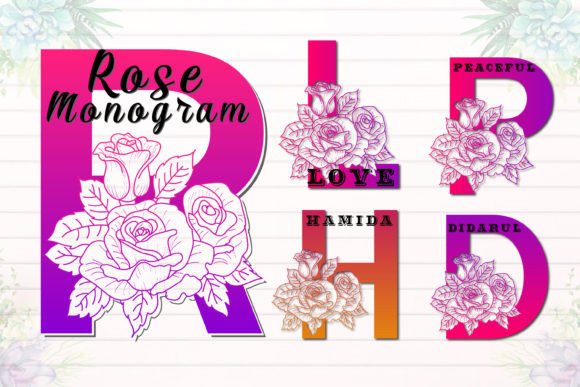
To truly appreciate the utility of Rose Monogram, one must first understand the psychology behind floral typography. Unlike stark sans-serif fonts that communicate efficiency and modernity, or heavy slab serifs that suggest stability and tradition, floral scripts are inherently organic. They mimic the curves of nature, the flow of handwriting, and the delicacy of botanical elements. This specific font integrates these natural motifs directly into the letterforms, creating a seamless blend of text and illustration.
The "monogram" aspect implies a focus on initials and standalone characters, which are often used as logos or focal points. However, when extended to full headlines or branding initiatives, the font maintains a cohesive visual rhythm. The transformative power of this uplifting font lies in its ability to soften rigid layouts. In a digital age dominated by clean lines and minimalism, introducing a typeface with inherent charm and decorative flair creates a striking contrast that captures attention without overwhelming the viewer.
Strategic Applications in Branding and Identity
For business owners and brand strategists, the choice of typography is a critical decision that influences consumer perception. Rose Monogram is an absolute fit for branding initiatives that aim to project values of luxury, care, and artisanal quality. Consider the beauty industry, where packaging designs play a pivotal role in the unboxing experience. A skincare line focusing on natural ingredients might use this font on its labels to subtly reinforce the botanical origin of its products. The floral elements within the letters act as visual cues, aligning the textual message with the product’s essence.
Similarly, in the realm of boutique retail, riveting logotypes created with this typeface can distinguish a store from its competitors. Whether it is a high-end jewelry shop, a bespoke candle maker, or a curated gift store, the font adds a sprinkle of charm that suggests exclusivity and personal touch. It signals to the customer that the brand pays attention to detail and values aesthetics. This is not just about decoration; it is about strategic positioning. By using a font that feels hand-crafted, brands can differentiate themselves from mass-market competitors who rely on generic, system-standard typefaces.
Packaging Design and Tangible Media
The tactile nature of packaging design offers a unique canvas for Rose Monogram. When printed on textured paper, embossed foil, or matte cardboard, the intricate details of the floral theme come to life. Designers should consider how light interacts with the curves of the letters. For instance, gold foil stamping of the font on a dark background can create a luxurious shimmer, enhancing the perceived value of the product inside. The font’s structure allows for scalability, meaning it remains legible and impactful whether used on a small product tag or a large shopping bag.
Elevating Event Communications
Perhaps the most traditional yet effective use case for this typeface is in the wedding and event industry. Wedding invitations are more than just informational cards; they are the first glimpse guests have into the tone and style of the celebration. Rose Monogram adds a sprinkle of charm to wedding invitations and similar creatives, setting a romantic and sophisticated tone before the event even begins. The fluidity of the script mirrors the celebratory and joyful nature of such occasions.
Beyond the main invitation, this font can be utilized across the entire suite of event materials. Save-the-dates, menu cards, place settings, and thank-you notes can all feature consistent typography to create a cohesive narrative. The floral elements can be color-matched to the wedding palette, allowing for seamless integration with other design elements like floral arrangements and table linens. For event planners, having a versatile font that works well in both print and digital formats (such as wedding websites) is invaluable.
Digital Presence and Web Design
While decorative fonts are often associated with print, their application in digital spaces is growing. However, using Rose Monogram on the web requires a nuanced approach. Due to its intricate details, it is best suited for gripping headlines, hero sections, and pull quotes rather than body text. Legibility is paramount in user experience design, and complex scripts can become difficult to read at smaller sizes or on lower-resolution screens.
Web designers can leverage this font to create emotional anchors on landing pages. For a lifestyle blog, a fashion portfolio, or a creative agency website, using Rose Monogram for section headers can break up the monotony of standard web fonts. It introduces a human element to the digital interface, making the site feel more welcoming and less mechanical. When paired with a clean, highly readable sans-serif font for the main content, the contrast enhances the readability of both typefaces. This pairing strategy ensures that the decorative font serves its purpose—drawing attention and adding character—without compromising the usability of the site.
Implementation Best Practices for Designers
To fully embrace and experience the transformative power of this uplifting font in your designs, creators must adhere to certain best practices. First, consider spacing and kerning. Decorative fonts often have unique ligatures and overlapping elements. Proper adjustment of letter spacing ensures that the floral details do not clash, maintaining clarity and visual harmony. Second, color selection is crucial. Because the font itself contains detailed imagery, it pairs best with solid, contrasting backgrounds. Busy patterns or photographic backgrounds can obscure the delicate lines of the typeface, rendering it ineffective.
- Hierarchy: Use the font sparingly to maintain its impact. Overuse can dilute its specialness and make the design feel cluttered.
- Contrast: Pair Rose Monogram with simple, geometric fonts to balance the ornate nature of the script.
- Context: Ensure the tone of the project matches the elegance of the font. It may not be suitable for industrial, tech-heavy, or ultra-minimalist brands that prioritize function over form.
- Testing: Always test the font across different media types. What looks beautiful on a high-resolution monitor may lose detail when printed on rough paper or viewed on a mobile device.
The Role of Typography in Consumer Psychology
Research in consumer behavior suggests that typography influences trust and perceived quality. Fonts that appear hand-written or artistic are often associated with authenticity and craftsmanship. In a market where consumers are increasingly seeking genuine connections with brands, using a font like Rose Monogram can signal that a business is owned by individuals who care about their craft. It moves the brand away from the coldness of corporate uniformity and towards a warmer, more personal engagement.
This is particularly relevant for small businesses and entrepreneurs who compete on service and quality rather than price. By investing in high-quality, distinctive typography, they can punch above their weight class, appearing more established and premium than their actual size might suggest. The font becomes a tool for storytelling, conveying a narrative of beauty, care, and attention to detail without saying a word.
Future Trends in Decorative Typography
As design trends evolve, there is a noticeable shift towards maximalism and personalized expression. After years of flat design and strict minimalism, audiences are craving more personality and visual interest. Rose Monogram fits perfectly into this emerging trend. It represents a return to ornamentation, but with a modern twist. The integration of floral themes into letterforms is not new, but the execution in contemporary digital tools allows for greater flexibility and precision.
Designers who master the use of such specialized fonts will be well-positioned to meet the demand for unique, memorable visual identities. The key is to remain adaptable. While Rose Monogram is ideal for certain niches, understanding its strengths and limitations allows designers to apply it where it will have the greatest impact. It is not a one-size-fits-all solution, but rather a specialized instrument in the designer’s toolkit.
In conclusion, the strategic use of Rose Monogram offers a pathway to creating designs that are not only visually appealing but also emotionally resonant. From branding initiatives and packaging designs to wedding invitations and digital headlines, this floral-theme decorative font provides a versatile and elegant solution for those looking to add depth and character to their work. By respecting its intricacies and applying it with intention, creators can harness its full potential to captivate audiences and elevate their visual communication.