Eastern Christmas: Understanding Traditions, Timing, and Cultural Distinctions
For many observers in the West, the festive season is firmly anchored to December 25th. However, for millions of Christians worldwide, particularly those adhering to Eastern Orthodox traditions, the celebration of Eastern Christmas occurs on a different date and carries distinct liturgical and cultural nuances. Understanding these differences is not merely a matter of calendar conversion; it involves appreciating a rich tapestry of history, theology, and community practice that has evolved separately from Western traditions for nearly two millennia.
When researching holiday traditions or planning cross-cultural engagements, it is essential to move beyond superficial comparisons. This article explores what defines Eastern Christmas, how it compares to Western celebrations, and the practical considerations for those looking to understand or participate in these festivities. Whether you are evaluating travel plans, designing culturally sensitive materials, or simply expanding your cultural literacy, recognizing the unique character of this observance is key.
The Calendar Divide: Why Dates Differ
The most immediate distinction between Eastern and Western Christmas is the date. While the Roman Catholic Church and most Protestant denominations celebrate on December 25th according to the Gregorian calendar, many Eastern Orthodox Churches follow the Julian calendar for their fixed feasts. This results in Eastern Christmas falling on January 7th in the modern Gregorian system.
This discrepancy is not arbitrary but stems from a historical schism in calendar reform. In 1582, Pope Gregory XIII introduced the Gregorian calendar to correct the drift in the Julian calendar, which had accumulated errors over centuries. While Western Europe adopted this change relatively quickly, many Eastern Orthodox churches retained the older Julian calendar for religious observances to maintain continuity with early church traditions. It is important to note that not all Orthodox churches celebrate on January 7th. Some, such as the Greek Orthodox and Antiochian Orthodox, have adopted the Revised Julian calendar, which aligns their fixed feasts with the Gregorian calendar, meaning they also celebrate on December 25th. However, the Russian, Serbian, Jerusalem, and Macedonian Orthodox churches, among others, continue to use the traditional Julian calendar.
For individuals comparing holiday schedules, this distinction is crucial. If you are coordinating international business, family gatherings, or design projects with deadlines, assuming a universal December 25th celebration can lead to significant misunderstandings. Recognizing that Eastern Christmas may extend the festive season into January allows for more inclusive and accurate planning.
Liturgical Depth vs. Commercial Spectacle
Beyond the calendar, the spirit and structure of the celebration offer a stark contrast in approach. Western Christmas, particularly in secular contexts, is often characterized by a high degree of commercialization, gift-giving emphasis, and decorative extravagance. In contrast, Eastern Christmas is deeply rooted in ascetic preparation and liturgical solemnity.
The period leading up to Eastern Christmas is known as the Nativity Fast (or Philip’s Fast), which lasts for forty days. During this time, adherents abstain from certain foods, such as meat, dairy, and oil, focusing on prayer, almsgiving, and spiritual reflection. This preparatory phase creates a profound sense of anticipation that culminates in the feast day. The celebration itself is less about material exchange and more about communal worship and theological reflection on the Incarnation.
For designers and creatives, this difference influences aesthetic choices. While Western designs might lean toward bright reds, greens, and Santa Claus imagery, Eastern Christian art often features iconographic styles, deep blues, golds, and depictions of the Nativity scene that emphasize humility and divine mystery. When creating materials for audiences observing Eastern Christmas, understanding this tonal shift is vital. A design that feels playful and commercial in one context may appear disrespectful or out of place in another.
Cultural Expressions and Community Practices
The way Eastern Christmas is celebrated varies significantly across regions, reflecting local customs intertwined with religious observance. In countries like Russia, Ukraine, and Serbia, the holiday is a major national event, often involving specific folk traditions. For example, the singing of carols (known as Koliadky in Ukraine or Koleda in Bulgaria) is a central activity, where groups visit homes to bless households and receive treats. These practices are communal and intergenerational, reinforcing social bonds rather than focusing on individual consumption.
In comparison, Western traditions often center on the nuclear family unit, with private gatherings and personalized gift exchanges. The Eastern approach tends to be more extroverted and community-oriented. Meals are elaborate affairs, breaking the fast with traditional dishes that vary by region but often include kutia (a wheat berry pudding with honey and poppy seeds) in Slavic traditions, or roasted meats and special breads in other areas.
For those evaluating cultural engagement strategies, recognizing these communal aspects is beneficial. Events or communications that foster community interaction and respect traditional rituals will resonate more deeply than those focused solely on individual gratification. This does not mean Eastern celebrations lack joy; rather, the joy is derived from shared faith and heritage rather than material acquisition.
Design Considerations: Capturing the Spirit
If you are involved in creative projects related to Eastern Christmas, such as invitations, greeting cards, or digital content, the choice of typography and visual elements plays a critical role in conveying the right message. The tone should balance reverence with warmth. While Western holiday fonts often feature bold, whimsical, or overly decorative styles, Eastern-themed designs may benefit from scripts that evoke handcrafted authenticity and historical depth.
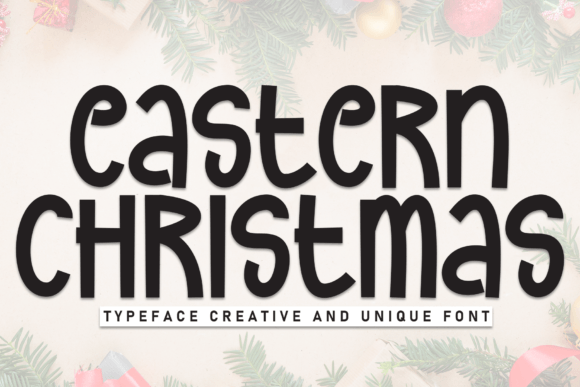
Consider introducing a delightful and amicable handwritten display font that exudes charm and fun. This font, with its engaging appeal, is the perfect choice for crafting wedding invitations, personalized cards, or any design project that desires a sprinkle of joy and whimsy. With its friendly characteristics, it effortlessly brings a sweet, playful touch to your creative designs. Such a typeface can bridge the gap between solemn tradition and modern accessibility, making religious or cultural messages feel approachable without losing their dignity. It is particularly effective for personal correspondence where a human touch is valued over corporate polish.
However, context remains king. While a playful handwritten font works well for personal cards or community event flyers, formal liturgical materials may still require more traditional serif or calligraphic styles. Evaluating the specific audience and purpose of your design will help determine whether a whimsical touch enhances or detracts from the message. The key is alignment: ensuring that the visual style supports the cultural and emotional weight of the content.
When to Choose Eastern Christmas Traditions
Understanding when to align with Eastern Christmas traditions depends on your audience and objectives. If you are working with communities in Eastern Europe, the Middle East, or diaspora populations from these regions, acknowledging January 7th is a sign of respect and cultural competence. It demonstrates that you have done your research and value their specific heritage.
Conversely, if your primary audience is secular or predominantly Western, sticking to December 25th may be more practical for logistical reasons. However, even in mixed environments, offering flexibility and acknowledgment of both dates can foster inclusivity. For example, workplaces with diverse staff might consider extending holiday greetings through early January or organizing inclusive events that recognize multiple winter festivals.
Ultimately, the decision to engage with Eastern Christmas traditions should be guided by genuine interest and respect rather than tokenism. It is not about choosing one tradition over the other as superior, but recognizing that different paths exist for expressing similar values of hope, renewal, and community. By understanding the historical, liturgical, and cultural dimensions of Eastern Christmas, you can make more informed decisions in both personal interactions and professional endeavors.
In conclusion, Eastern Christmas offers a distinct perspective on the holiday season, characterized by its Julian calendar timing, ascetic preparation, and communal focus. Whether you are comparing holiday options, designing culturally relevant materials, or seeking to deepen your cultural understanding, appreciating these differences enriches your perspective. It reminds us that while the dates and customs may vary, the underlying human desire for connection and meaning remains universal.